

Sometimes the body can feel heavy, stiff, or uncomfortable due to tightness or tension deep within the muscles. Deep tissue massage is a technique in which the therapist uses firm, slow, controlled pressure to work on deeper layers of muscle and soft tissue. People may choose deep tissue massage to address muscle tension, stiffness, or chronic muscular discomfort.
In this article, you will learn about the benefits, possible risks, and side effects of deep tissue massage, how it differs from other massage types, what to expect during treatment, and how to choose a suitable therapist.
What Is a Deep Tissue Massage?
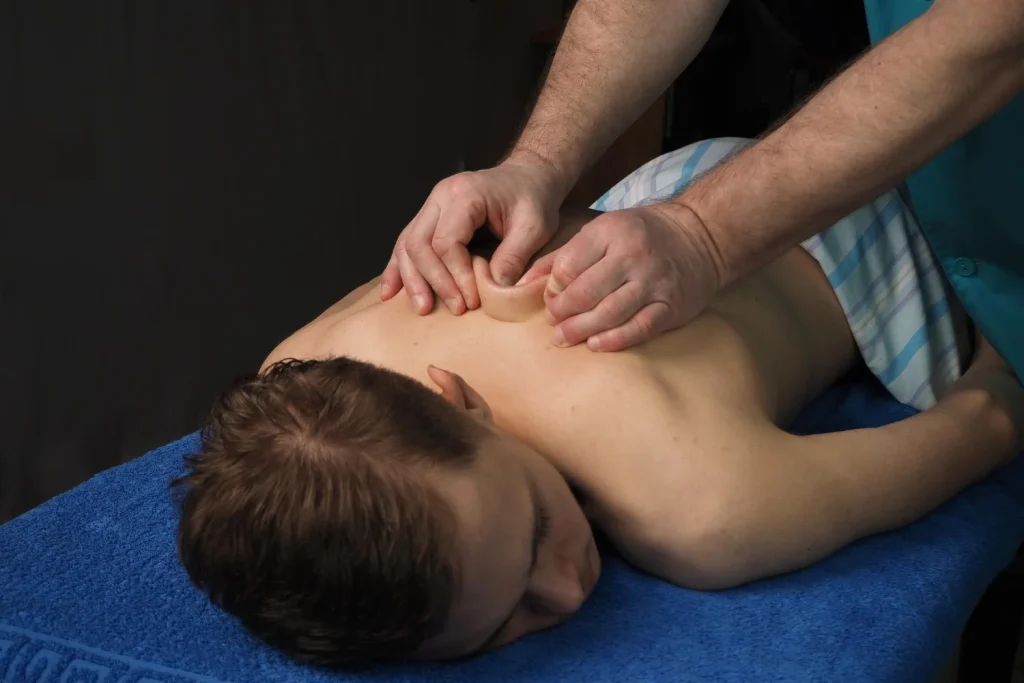
Deep tissue massage is a therapeutic massage where the therapist works on deeper muscle layers and surrounding connective tissue. The therapist typically uses slow strokes and sustained, firm pressure to address issues such as muscle tension, stiffness, or muscular discomfort.

What Are the Benefits of Deep Tissue Massage?
The potential benefits of deep tissue massage may vary depending on your condition, symptoms, and treatment goals. Research has shown that massage therapy may have short-term benefits for some musculoskeletal pain and function. Still, the evidence is not equally strong for all conditions.
May Help With Back Pain
Some research shows short-term benefits of massage therapy for back pain, especially for pain and function. However, the evidence is not consistent for all types of back pain, so deep tissue massage should not be considered a treatment for all back pain.
May Help Reduce Muscle Pain and Stiffness
Deep tissue massage can help reduce feelings of muscle tension, stiffness, and soreness. Systematic reviews of massage therapy have found evidence of short-term pain relief for some musculoskeletal conditions. Still, benefits may depend on the condition and treatment.
May Support Recovery After Injury
During injury recovery, deep tissue massage may be part of a treatment plan to manage pain, stiffness, or movement-related discomfort in some cases. However, it should not be claimed that the injury will heal on its own. Depending on the type of injury, physiotherapy assessment and rehabilitation may be more important.
May Improve Range of Motion
Some manual soft tissue techniques may improve short-term range of motion. However, evidence varies by technique and condition, and recent research has not found a consistent effect of massage techniques on muscle stiffness.
May Help With Stress and Relaxation
Massage therapy can help provide physical relaxation and reduce stress or anxiety for some people. Research has shown some improvement in anxiety and mood with massage. Still, the evidence is not strong in all cases.
May Support Short-Term Pain Management
Massage therapy may provide short-term pain relief for some musculoskeletal conditions. Still, there is no strong evidence that it is always more effective than other active treatments.

Deep Tissue Massage for Specific Conditions
Deep tissue massage may be part of a treatment plan for some musculoskeletal problems. However, evidence for massage therapy is generally more limited, so deep tissue massage should not be claimed as a definitive treatment for a specific condition.
Chronic Pain
Deep tissue massage can help manage symptoms of chronic muscular pain or long-standing discomfort. However, evidence varies by condition, and benefits may be short-term in many cases.
Sports Injuries
Deep tissue techniques may help with sports-related muscle soreness, tightness, or recovery. However, massage may not be appropriate for acute injury, significant swelling, or unexplained pain and may require prior professional assessment.
Back / Neck Pain
Massage therapy may provide short-term pain relief for nonspecific low back pain. Still, the certainty of the evidence is limited. Some benefit has also been shown for neck pain, but the quality and results of the research are not always consistent.
Muscle Tightness and Stiffness
If you have muscle tightness or stiffness, deep tissue massage can help manage symptoms through targeted soft tissue work. However, if you have persistent or recurring symptoms, it is important to assess the underlying cause.
Are There Any Side Effects or Risks?
Some people may experience temporary tenderness, soreness, or mild discomfort after a deep tissue massage. If the pressure feels too high or uncomfortable during the treatment, let the therapist know so they can adjust it to your comfort level.
Common Temporary Effects
- Tenderness: The treated area may feel sensitive or tender at times.
- Soreness: After a massage, the muscles may feel sore or achy for some time.
- Temporary discomfort: Firm pressure may cause temporary discomfort.
- Mild bruising: Some people may experience mild bruising after deeper pressure.
Who May Need to Avoid or Check Before Treatment?
Deep tissue massage may not be suitable for everyone. If you have a blood clotting problem, are taking blood thinners, have had recent surgery, have a bone fracture, a nerve injury, an open wound, or certain skin conditions, you should seek the advice of a healthcare professional before treatment.
- Blood clotting problems: If there is a risk of bleeding or bruising, seek medical advice first.
- Bone fracture: Avoid deep pressure if there is a fracture or increased fracture risk.
- Nerve injury: If there is nerve damage or neurological symptoms, an assessment may be necessary first.
- Recent surgery: Seek your healthcare professional’s advice before having a massage after recent surgery.
- Wounds or skin conditions: Do not massage open wounds, burns, or affected skin.
MEDICAL REVIEW RECOMMENDED If you have an existing health condition, recent injury, or surgery, talk to a healthcare professional before treatment. Also inform the therapist about your relevant medical history and medications.
How Is Deep Tissue Massage Different From Other Types of Massage?
Deep tissue massage generally focuses on deeper muscle tension, stiffness, and persistent muscular discomfort. On the other hand, the pressure, treatment goal, and target tissue may vary depending on the type of massage.
Deep Tissue Massage vs Swedish Massage
| Factor | Deep Tissue Massage | Swedish Massage |
| Main focus | Deeper muscle tension and persistent tightness | General relaxation and overall muscle comfort |
| Pressure | Usually firm and sustained | Usually lighter to moderate |
| Main purpose | Address muscle tension and discomfort | Relaxation and stress reduction support |
| Target tissue | Deeper muscle and surrounding soft tissue | Mainly superficial muscles and soft tissues |
| Typical use | Persistent tension, stiffness, or muscular discomfort | Relaxation, general stress, and mild muscle tension |
What Does a Deep Tissue Massage Involve?
Positioning
You are usually placed in a comfortable position according to the treatment area. The position may vary depending on the area the therapist will be working on.
Warm-Up
The therapist will usually start with lighter pressure and gentle massage to prepare the target muscles for treatment.
Deep Pressure and Slow Strokes
The therapist may use hands, fingers, forearms, or elbows to apply slow strokes and controlled, firm pressure. They target specific muscles and soft tissues as needed.
Targeted Areas
Deep tissue massage can be done on the back, neck, shoulders, legs, or other areas. The area you focus on depends on your symptoms and treatment needs.
Repeat Treatments
Whether or not multiple sessions are needed depends on your condition, symptoms, and response to treatment. After assessment, the therapist can create a suitable treatment plan.
Other Treatments Alongside Massage
If necessary, deep tissue massage may be combined with physiotherapy, exercise, or rehabilitation. Depending on your condition, the therapist may recommend other appropriate treatments or referrals.
What Should You Expect After a Deep Tissue Massage?
After the massage, the treated area may feel tender, sore, or sensitive for a while. This temporary discomfort is usually short-term. In some cases, you may experience changes in muscle tension or movement. Still, the response may vary depending on the individual and condition. If the pain is severe, lasts a long time, or you develop new concerning symptoms, contact a therapist or healthcare professional.
How to Find the Right Deep Tissue Massage Therapist
Check whether your therapist has relevant qualifications, professional training, and practical knowledge of deep tissue massage. Consider whether the therapist has experience with your specific problem, including sports injuries, chronic pain, or other relevant conditions. See if the therapist wants to know about your symptoms, medical history, and goals before treatment.
Also consider whether they create a treatment plan based on the assessment results and adjust their approach based on your feedback. In some cases, communication with physiotherapists, doctors, or other healthcare professionals may be necessary, especially if wider rehabilitation or clinical care is required. Also inform the therapist about relevant health conditions, recent injuries, surgery, or medication so they can assess the suitability of the treatment and consider appropriate precautions or referral.
Is Deep Tissue Massage Right for You?
Whether deep tissue massage is suitable for you depends on your condition, symptoms, treatment goals, and overall health status. A therapist can assess your specific needs and determine whether treatment is appropriate and which approach may be most suitable. You can discuss our assessment and treatment options to see if deep tissue massage might be appropriate for your muscle tension, stiffness, or persistent muscular discomfort. Book an appointment to receive care that suits your needs in Birmingham.👇
FAQ
What is a deep tissue massage?
Deep tissue massage targets deeper muscles and surrounding soft tissues.
What does a deep tissue massage do?
It helps address muscle tension, stiffness, and muscular discomfort.
What are the benefits of deep tissue massage?
It may help reduce muscle tension, pain, and stiffness and support comfortable movement.
Does deep tissue massage hurt?
Some pressure or mild discomfort may occur, but severe pain is not expected.
Is deep tissue massage good for back pain?
It may provide short-term relief for some types of nonspecific back pain.
Is deep tissue massage suitable for everyone?
No, some health conditions require professional advice before receiving deep tissue massage.
How often should you have a deep tissue massage?
Frequency depends on your symptoms, activity, treatment goals, and response to treatment.
What is the difference between deep tissue and sports massage?
Deep tissue targets muscle tension, while sports massage focuses more on activity-specific needs and recovery.
