
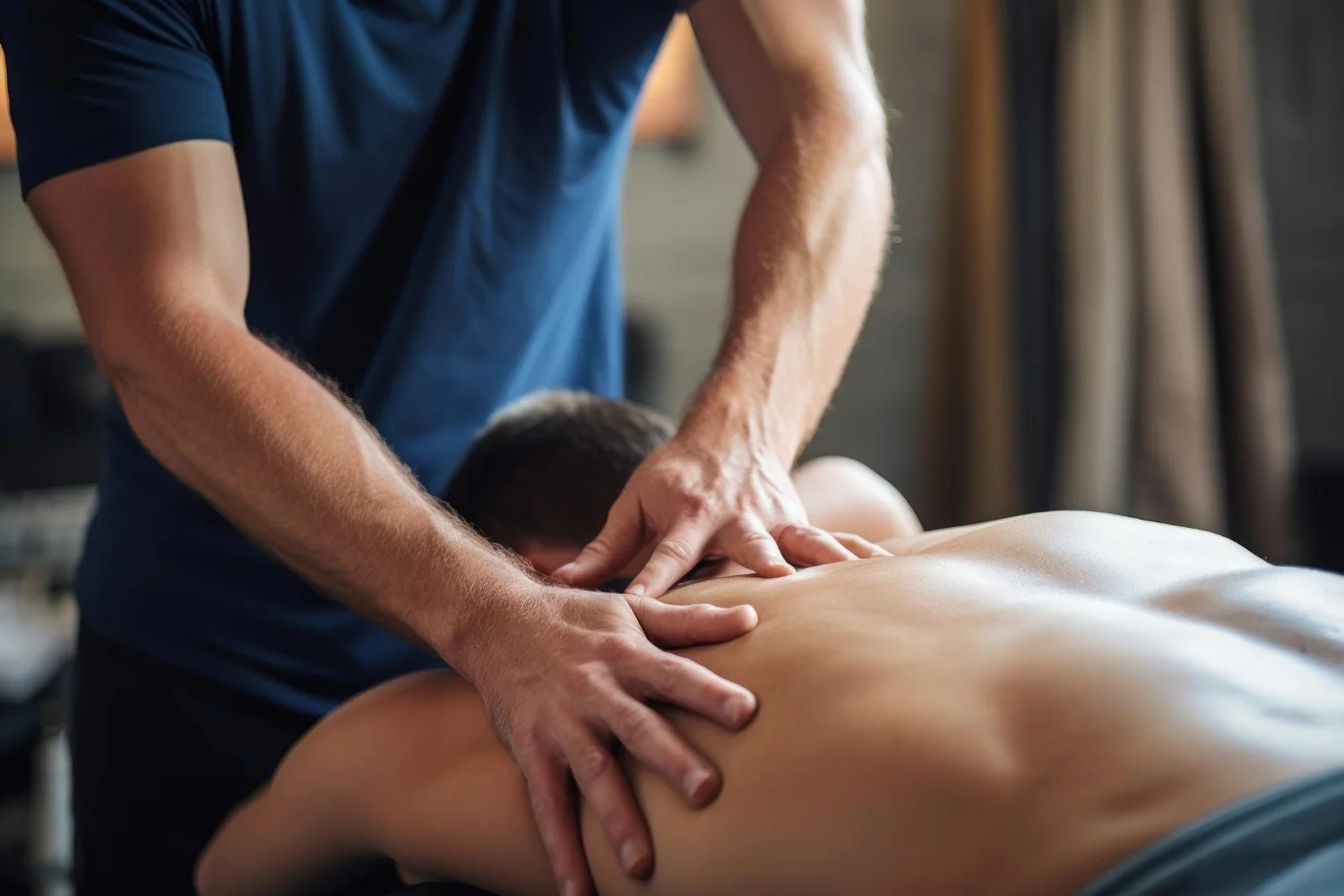
When considering massage therapy, many people ask: What is the difference between deep tissue massage and sports massage? Both types of massage can work on muscles and soft tissues, so it’s natural to think they’re the same. However, the difference isn’t just how deep the massage goes or how much pressure is applied. The purpose of the treatment, target area, your individual needs, and your type of physical activity also determine the treatment approach.
In this article, you will learn about the main differences between deep tissue massage and sports massage, the techniques used, the potential benefits, who is more suitable for which, and which option may be appropriate for your needs.
What Is Deep Tissue Massage?
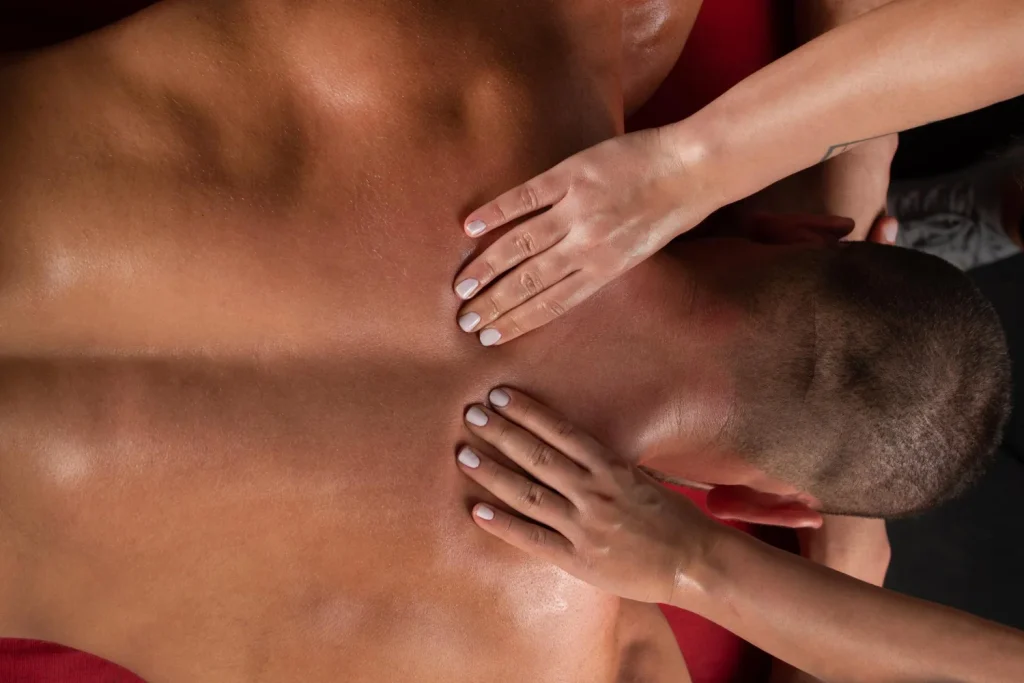
Deep tissue massage is a type of massage therapy that works on deeper layers of muscle and soft tissue. The therapist typically uses slow, sustained, and firm pressure to address areas of muscle tension, stiffness, or soreness.
Its primary goal is to help reduce muscle tension and muscular discomfort, as well as support comfortable movement. This may be particularly relevant for long-standing muscle tightness or persistent muscular discomfort.
What Is Sports Massage?
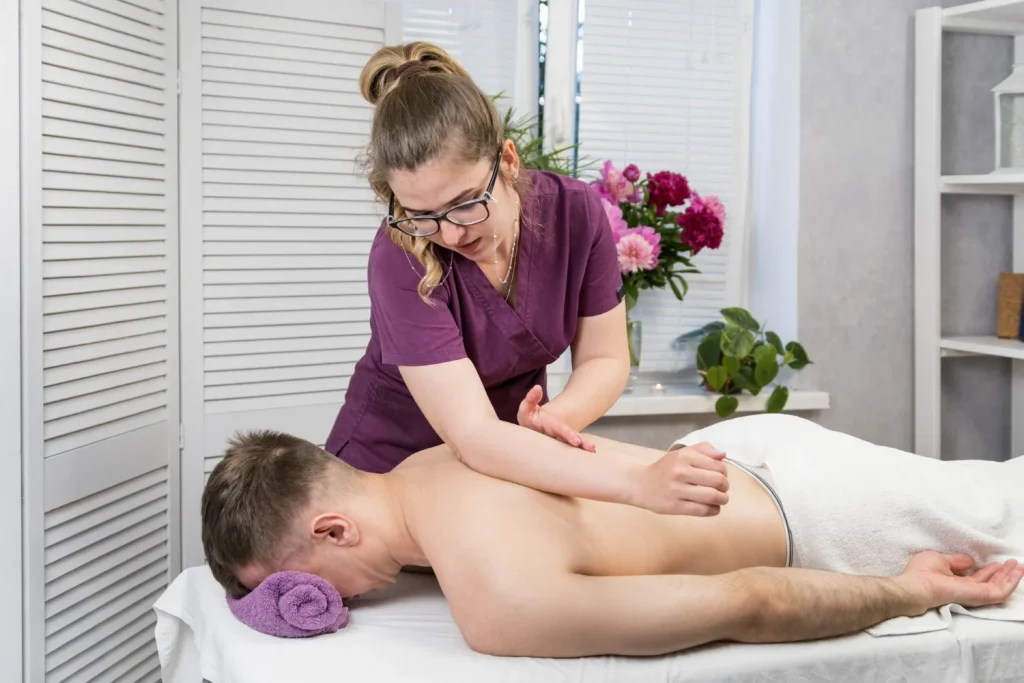
Sports massage is a targeted approach tailored to the specific needs of people who engage in physical activity. It works on muscles and soft tissues and can help address activity-related tightness, stiffness, or discomfort. The therapist can tailor treatment to your activity, movement patterns, and the muscles you use most. It can also support injury recovery, pre-training preparation, or post-training recovery.
Sports massage is not just for professional athletes. It can also support runners, gym-goers, football players, cyclists, and other active adults.
What Is the Difference Between Deep Tissue and Sports Massage?
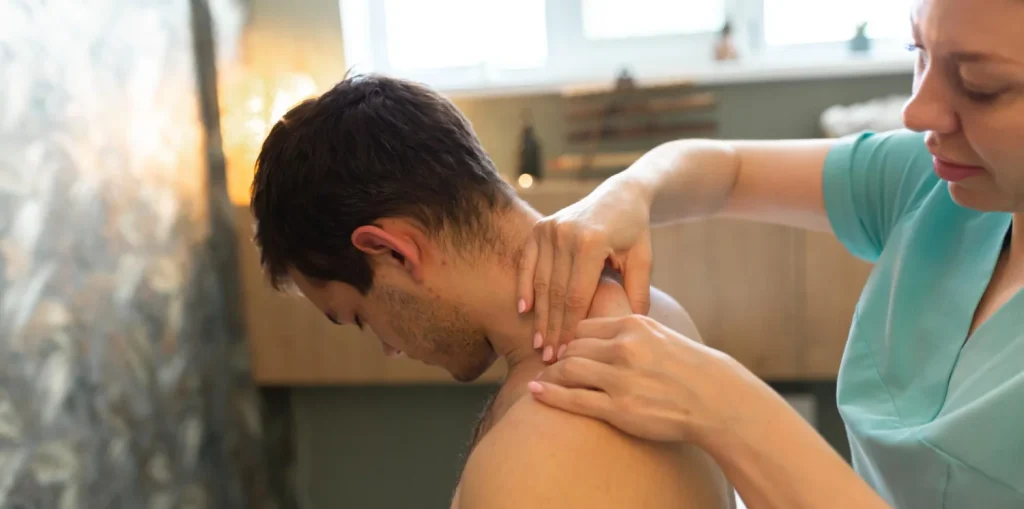
Deep tissue massage generally focuses on deeper muscle tension, stiffness, and long-standing muscular discomfort. Sports massage is more tailored to your specific sport, physical activity, movement patterns, recovery needs, or performance goals.
Some techniques may be similar in both types of massage, so it’s not right to view sports massage as just deep tissue massage with more pressure. The therapist chooses the technique and pressure according to your needs and treatment goals.
Comparison
| Factor | Deep Tissue Massage | Sports Massage |
| Main purpose | Address muscle tension and discomfort | Activity-related needs and recovery support |
| Main focus | Deeper muscle tension and stiffness | Specific muscles, movements, or activities |
| Target area | Areas with muscle tension or tightness | Muscles most used in sport or activity |
| Pressure | Can usually be firm and sustained | Can be light to firm according to needs |
| Techniques | Slow pressure and deeper soft tissue work | Massage, soft tissue work, stretching, and other techniques |
| Best suited for | Muscle tightness, stiffness, or muscular discomfort | Athletes and physically active people |
| Activity level | You don’t need to be an athlete. | Regular physical activity is more relevant |
| Injury focus | May be relevant in cases of muscular discomfort | May be part of a wider plan for injury rehabilitation |
| Recovery | Can address muscle tension and soreness | Can support recovery from training or competition |
| Performance | No direct focus on performance | Can be linked to activity or sport-specific goals |
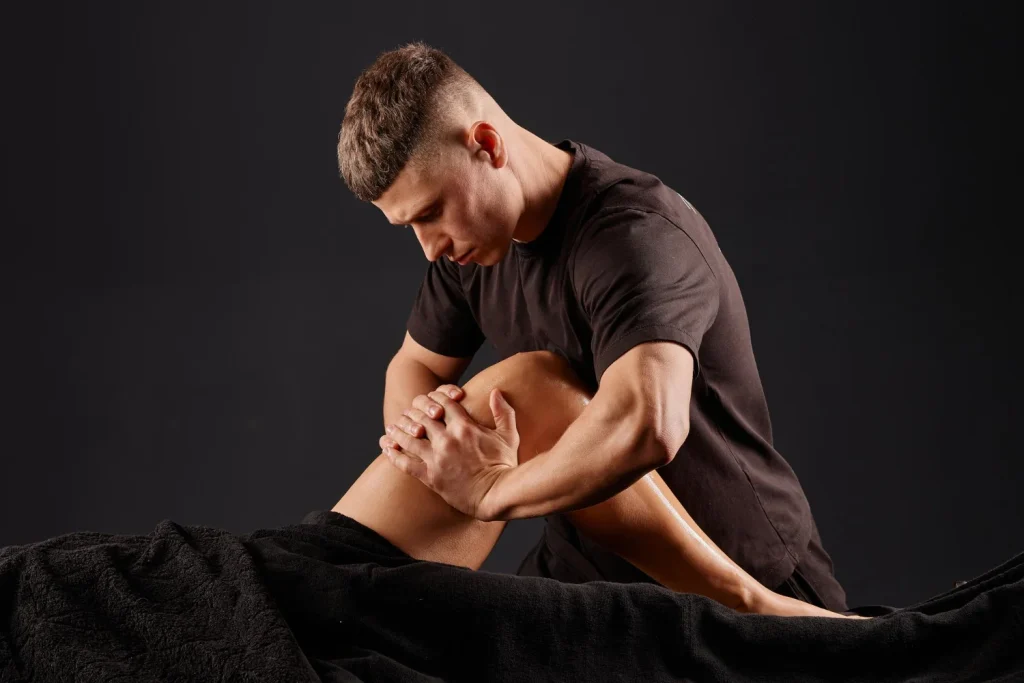
Deep Tissue Massage vs Sports Massage: Key Differences
The difference between deep tissue massage and sports massage isn’t just pressure. Deep tissue massage generally focuses on muscle tension, stiffness, and muscular discomfort. In contrast, sports massage is tailored to your activity, specific muscles, movement patterns, recovery, or performance goals. However, the techniques may overlap in some cases, so choose the approach that best fits your needs and treatment goals.
1. Purpose of Treatment
Deep Tissue Massage:
Deep tissue massage is commonly used to help reduce muscle tension, stiffness, soreness, and long-standing muscular discomfort.
Sports Massage:
Sports massage can support activity-specific recovery, injury management, preparation for training or competition, and performance.
2. Treatment Focus
Deep Tissue Massage:
Deep tissue massage generally focuses on deeper muscle and soft-tissue layers and areas of persistent tension.
Sports Massage:
Sports massage usually focuses on specific muscles, muscle groups, movement patterns, or areas related to your sport.
3. Type of Problem
Deep Tissue Massage:
Deep tissue massage may help with general muscular pain, stiffness, tightness, and postural muscle tension.
Sports Massage:
Sports massage may help with training-related soreness, repetitive movement, sports-related muscle strain, and activity-specific discomfort.
4. Area of the Body
Deep Tissue Massage:
Deep tissue massage can be used for broader areas or full-body treatments, especially where there is persistent muscle tension or stiffness.
Sports Massage:
Sports massage is usually more targeted at specific muscles or areas related to your sport or physical activity. For example, runners may focus more on the legs, calves, or hamstrings, and cyclists may focus more on the legs, hips, or lower back. For football players, overused areas such as the legs, calves, or hamstrings may be targeted.
5. Treatment Techniques
Deep Tissue Massage may include:
- Slow, controlled strokes
- Firm and sustained pressure
- Deeper tissue techniques
- Trigger point work
- Targeted muscle work
Sports Massage may include:
- Deep tissue work
- Soft tissue techniques
- Stretching
- Trigger point work
- Movement-based techniques
6. Pressure and Intensity
Deep Tissue Massage:
Deep tissue massage typically uses firm and sustained pressure. The therapist can adjust the pressure according to your muscle tension and comfort level.
Sports Massage:
Sports massage pressure is not fixed. The pressure can vary depending on the goal of the treatment. The approach may be different in pre-event treatment. In contrast, a different pressure level may be used for recovery or injury-related treatment.
7. Who Is Each Massage For?
Deep Tissue Massage may suit:
- Those who have general muscle tension
- Desk workers who experience stiffness in the neck, shoulders or back
- Those who have muscle stiffness or tightness
- Those who have persistent muscular discomfort
- Those who experience muscle tension due to regular physical activity
Sports Massage may suit:
- Athletes
- Runners
- Gym-goers
- Football players
- Cyclists
- Active adults
- Those recovering from activity-related muscle soreness or discomfort
8. Treatment Goals
Deep Tissue Massage:
The main goal of deep tissue massage is to reduce muscle tension and discomfort, support movement, and help provide relaxation.
Sports Massage: The goals of sports massage may include supporting exercise recovery, managing activity-related problems, supporting mobility, and helping prepare for training or competition.
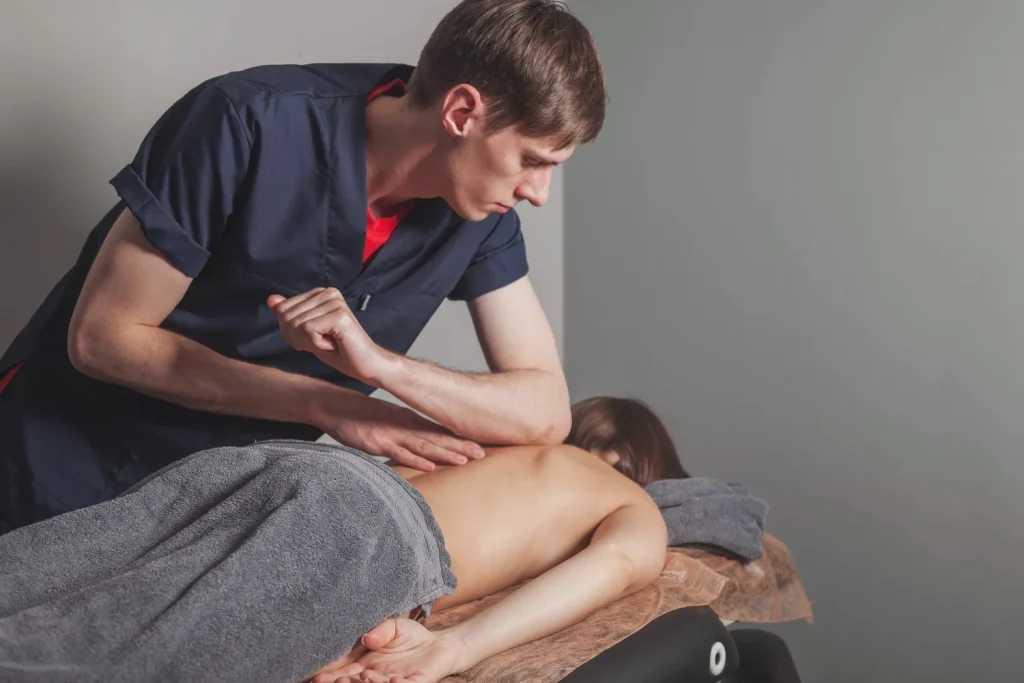
What Are the Similarities Between Deep Tissue and Sports Massage?
Both deep tissue massage and sports massage can work on muscles and soft tissues. Some techniques may be similar in both types of treatment, and both may be used to treat muscle tension, soreness, or movement restriction. The pressure and intensity can be adjusted to your needs. So which treatment is appropriate for you doesn’t depend only on the name of the massage; your symptoms, activity, and treatment goals also matter.
Which Is Better for You: Deep Tissue or Sports Massage?
What’s best isn’t the same for everyone. Your symptoms, activity level, treatment goals, and assessment results will determine the most appropriate approach.
Choose Deep Tissue Massage If:
- You have general muscle tension.
- You have persistent stiffness.
- You have general muscular soreness.
- You want broader muscular treatment.
- You don’t have a specific sport-related goal, but want to address muscle tightness or discomfort
Choose Sports Massage If:
- You train or exercise regularly.
- You have activity-related muscle soreness.
- You are preparing for an event or competition.
- You want recovery support after training.
- You have a sport-specific muscle or movement-related problem
- You want tailored treatment according to your activity
Deep Tissue Massage vs Sports Massage for Specific Situations
The appropriate option between deep tissue massage and sports massage may vary depending on your activity and specific needs.
- Runners: Running can cause repetitive strain on the legs, calves, and hamstrings. Sports massage may be more relevant for activity-related tightness or recovery.
- Gym-Goers: Strength training can cause soreness or tightness in specific muscle groups. Sports massage or deep tissue massage may be used depending on your training goals and the affected muscles.
- Football Players: Football places a lot of stress on the legs and lower body due to the repeated running, sprinting, and changes of direction. Sports massage may be more appropriate for sport-specific needs or recovery.
- Cyclists: The repetitive movement of cycling can place increased demands on the legs, hips, and lower back. Sports massage may be relevant if there is activity-related tightness.
- Office Workers: Sitting for long periods of time can cause muscle tension or stiffness in the neck, shoulders, and back. Deep tissue massage may be more relevant for this type of general muscular tension.
- Persistent Muscle Tightness: If the problem isn’t directly related to a specific activity and involves prolonged muscle tightness, deep tissue massage may be relevant. However, if there is persistent or unexplained pain, a professional assessment may be necessary first.
Can Sports Massage Include Deep Tissue Techniques?
Yes, deep tissue techniques can be used as needed within sports massage. The therapist chooses appropriate techniques based on your activity, symptoms, and treatment goals. In our sports physiotherapy approach, we tailor treatment to your individual needs, so we don’t use the same technique for everyone.
Can Deep Tissue Massage Help With Sports-Related Problems?
Yes, deep tissue techniques may help with some sports-related muscle tightness, stiffness, or soreness. However, if you have a sport-specific problem or injury, you may need a more targeted assessment and treatment approach based on your activity, symptoms, and movement. If the injury recurs repeatedly, persists for a long time, or symptoms do not improve. A physiotherapy assessment may be more appropriate.
Does Sports Massage Hurt More Than Deep Tissue Massage?
No, sports massage is not always more painful or intense than deep tissue massage. Both treatments use firm pressure as needed. The therapist will adjust pressure based on your condition, tolerance, and treatment goals. You may feel pressure or mild discomfort, but there should be no severe or unbearable pain.
When Should You See a Physiotherapist Instead?
Consider a physiotherapy assessment if you have persistent pain, a recurring injury, a significant injury, weakness, or restricted movement. Even if symptoms affect normal activity or do not improve over time, assessment may be appropriate.
• Persistent pain
• Recurring injury
• Significant injury
• Weakness
• Restricted movement
• Symptoms that interfere with normal activity
• Symptoms that do not improve
If you are unsure whether deep tissue massage or sports massage is more appropriate for you, you can get guidance according to your needs through an assessment. Make an appointment with us in the Birmingham area to discuss your treatment options.👇
FAQ
What is the main difference between deep tissue and sports massage?
Deep tissue targets muscle tension; sports massage targets activity-specific needs.
Is sports massage deeper than deep tissue massage?
No, sports massage is not always deeper; pressure depends on your treatment goals.
Is deep tissue massage good for athletes?
Yes, it can help athletes manage muscle tension, stiffness, and activity-related discomfort.
Is sports massage only for athletes?
No, active people can also benefit from sports massage.
Which is better for muscle tightness?
It depends on the type of tightness, your symptoms, activity, and treatment goals.
Which massage is better for runners?
Sports massage may suit runners when treatment needs to focus on activity-specific muscles and recovery.
Can sports massage use deep tissue techniques?
Yes, sports massage can include deep tissue techniques when they suit your needs.
How do I know which massage I need?
Your symptoms, activity, and goals can guide your choice; professional assessment can help when you are unsure.
Can physiotherapy and sports massage be combined?
Yes, sports massage can form part of a wider physiotherapy approach when clinically appropriate.
