
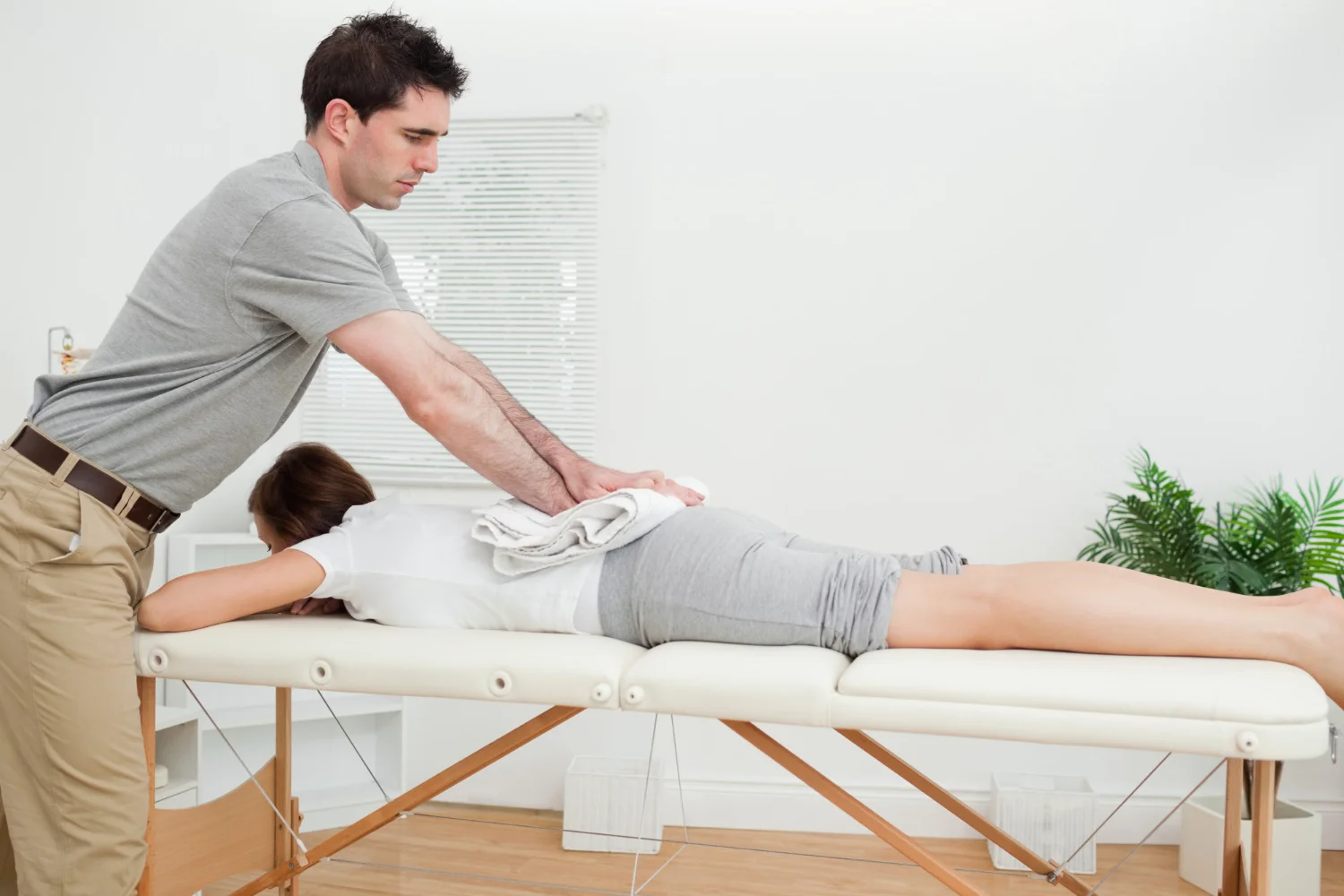
It’s common to feel muscle tension after sitting for long periods, stiffness after a workout, or tightness during movement. Soft tissue therapy is a treatment approach that uses hands-on techniques on the muscles and other soft tissues of the body to address tightness, discomfort, and movement-related problems.
Soft tissues include muscles, tendons, ligaments, and fascia. It’s not just for athletes; anyone who exercises regularly, does physical work, or experiences muscle-related problems after an injury can also benefit from soft tissue therapy. Daily activities, repetitive movements, work, exercise, or injury can put extra stress on soft tissues. This can lead to muscle tightness, stiffness, discomfort, or movement problems.

What Is Soft Tissue Therapy?
Soft tissue therapy is a treatment approach that uses hands-on techniques on soft tissues such as muscles, tendons, ligaments, and fascia to address tightness, stiffness, and movement-related problems. Treatment is tailored to the person’s symptoms, physical activity, and treatment goals.
It involves assessing, managing, treating, and rehabilitating soft tissues. It deals with the function and movement of muscles and other soft tissues as part of the musculoskeletal system. Soft tissue therapy and massage therapy are not the same thing. Massage may generally be more focused on relaxation or general muscle tension. At the same time, soft tissue therapy may use a more targeted approach based on specific problems, movements, and treatment needs.
Is Soft Tissue Therapy the Same as Massage?
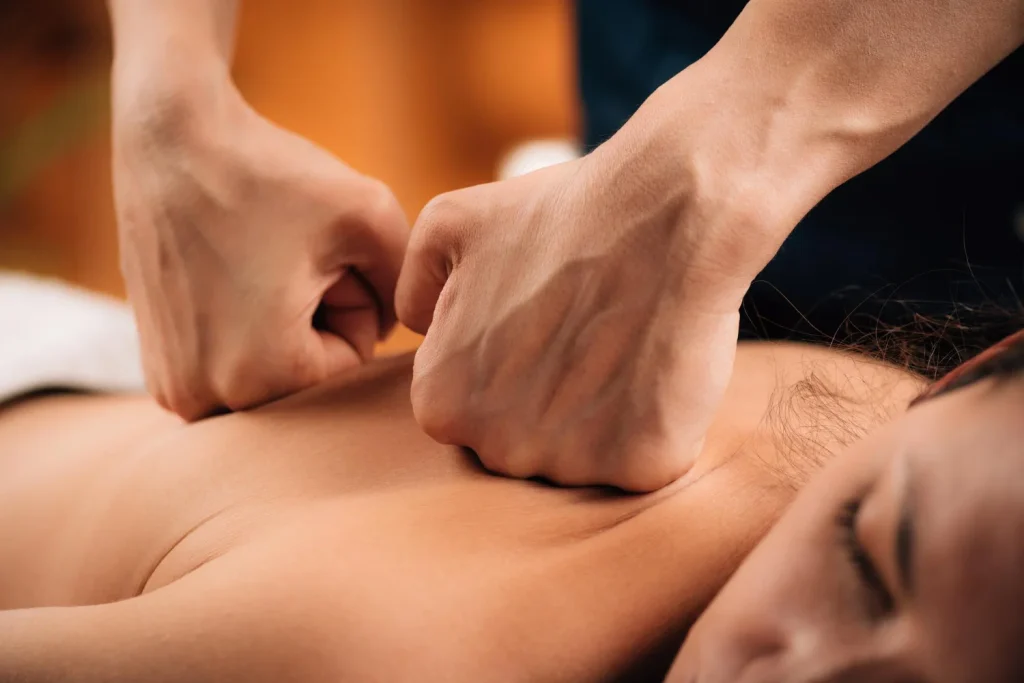
No, soft tissue therapy and massage are not the same thing. Massage may be a technique of soft tissue therapy, but soft tissue therapy is not limited to massage. Massage uses pressure and movement on muscles and soft tissues. However, soft tissue therapy may also use other hands-on techniques as needed.
Before starting soft tissue therapy, the therapist may assess your symptoms, movement, and physical activity. Based on this assessment, they create a treatment plan according to your needs.
What Techniques Are Used in Soft Tissue Therapy?
Multiple techniques can be used in soft tissue therapy. The therapist will choose the appropriate technique based on your condition, symptoms, treatment goals, and assessment results.
Soft Tissue Release (STR)
Soft Tissue Release is a hands-on technique where the therapist applies controlled pressure and movement to specific muscles or soft tissue areas. It provides targeted treatment for tight or restricted soft tissues.
Myofascial Release (MFR)
Fascia is a connective tissue that surrounds muscles and other structures in the body. In Myofascial Release, the therapist uses gentle, sustained pressure to work on areas of tightness or restriction.
Muscle Energy Technique (MET)
Muscle Energy Technique is a technique where the patient contracts the muscle in a specific direction, and the therapist provides controlled resistance against that movement. It can help improve muscle flexibility and joint movement.
Instrument Assisted Soft Tissue Mobilization (IASTM)
IASTM is a technique where the therapist uses a special handheld instrument to apply controlled pressure and movement to soft tissues. It can address soft tissue tightness or restriction in specific areas.
Massage / Deep Tissue Massage
Massage can be a part of soft tissue therapy. The therapist may use massage techniques based on muscle tension, tightness, or specific treatment needs. The therapist may also use deeper pressure as needed.
Stretching and Mobility Techniques
The therapist may incorporate gentle stretching or mobility techniques as needed. These can help support muscle flexibility, movement, and range of motion.
Who Can Benefit From Soft Tissue Therapy?
Soft tissue therapy isn’t just for athletes. Anyone with tightness, stiffness, or activity-related discomfort in their muscles or soft tissues can benefit.
Athletes and Active People
Training, competition, or regular exercise can place greater physical demands on muscles. Soft tissue therapy can address tightness or muscle-related discomfort as part of a recovery routine.
Office Workers
Sitting at a desk and using a computer for long periods of time can cause stiffness and discomfort in the muscles of the neck, shoulders, or back. Soft tissue therapy can help address tightness in these areas.
People With Muscle Tightness
Muscles can become tight or restricted due to exercise, repetitive activity, or daily movement. Soft tissue therapy can provide targeted treatment to specific areas.
People Recovering From Injury
Soft tissue therapy may be used as part of rehabilitation after an injury. It can be incorporated into a treatment plan to address tightness and movement problems in the affected soft tissues.
General Public
Even if you are not an athlete, muscle stiffness, aches, or tightness can occur due to daily activities. For these problems, soft tissue therapy may be an appropriate treatment option after assessment.
When Can Soft Tissue Therapy Be Beneficial?
Soft tissue therapy can be used in a variety of situations. It can be part of a treatment plan for needs such as muscle tightness, aches and pains, exercise recovery, and injury rehabilitation.
Muscle Tightness and Tension
Muscles can become tight or tense from exercise, repetitive movement, or staying in the same position for a long time. Soft tissue therapy can help address tightness in these areas.
Aches and Pains
Soft tissue therapy may help with aches, stiffness, or musculoskeletal discomfort related to muscles and other soft tissues. The therapist can assess your symptoms before treatment.
Recovery From Exercise
If muscles feel tight or stiff after exercise, soft tissue therapy can be part of your recovery routine. This can help reduce muscle discomfort and support comfortable movement.
Injury Rehabilitation
Soft tissue therapy can be part of a wider rehabilitation program after injury. The therapist may use it with other rehabilitation exercises depending on your recovery stage and treatment goals.
Preparation for Training or Competition
Soft tissue therapy can address tightness in specific muscle areas before training or competition. It can be part of your overall preparation plan.
Recovery After Training or Competition
If you have tightness or discomfort in your muscles after training or competition, soft tissue therapy may be part of your recovery plan. The therapist can adjust treatment according to your activity and symptoms.
Post-Operative Scar / Soft Tissue Mobility
In some post-operative cases, you may have problems with scar mobility or surrounding soft tissues. At the appropriate stage and according to clinical guidance, soft tissue techniques can be used as part of rehabilitation.
What Happens During a Soft Tissue Therapy Session?
A session typically progresses through discussion, assessment, treatment, and reassessment.
Initial Discussion
The therapist learns about your symptoms, activity level, injury history, health history, and treatment goals.
Movement Assessment
The therapist observes your movement and assesses whether any movement is restricted or painful.
Soft Tissue Assessment
The therapist assesses relevant muscles and soft tissues as needed.
Treatment
Based on the assessment results, the therapist uses appropriate soft tissue techniques. Treatment is tailored to your specific needs and goals.
Reassessment
After treatment, the therapist may reassess movement or symptoms. This helps to understand the effect of the treatment.
Treatment Plan / Next Steps
If necessary, the therapist may recommend exercise, mobility work, or further treatment. Referrals to other health professionals may also be provided if necessary.
How Often Should You Have Soft Tissue Therapy?
Not everyone needs the same frequency of soft tissue therapy. It depends on your training, activity, work routine, symptoms, recovery stage, and treatment goals. After the initial assessment, the practitioner can recommend an appropriate frequency based on your needs and how you respond to treatment.
How Long Does a Soft Tissue Therapy Session Take?
The duration of a soft tissue therapy session may depend on your treatment needs and appointment type. The first appointment usually includes an assessment and a discussion of your symptoms, activity, and treatment goals. At the follow-up appointment, the therapist can review your progress and adjust the treatment plan as needed.
Is Soft Tissue Therapy Suitable for Everyone?
Soft tissue therapy may suit many people, but not everyone. Suitability depends on your symptoms, health history, and treatment needs. If you have unexplained pain, a recent injury, significant swelling, severe symptoms, or any other health concerns, professional assessment may be necessary before treatment.
Some health conditions or medications may require extra precautions, so it is important to tell your therapist about your health history. Soft tissue therapy is not a substitute for a diagnosis of a specific medical condition. The therapist may provide further assessment or referral to another health professional if necessary.
If you need soft tissue therapy for muscle tightness, stiffness, or movement-related discomfort. Contact us to learn about treatment options and book an appointment in the Birmingham area to suit your needs. 👇
FAQ
What is soft tissue therapy?
Soft tissue therapy treats muscles, tendons, ligaments and fascia with hands-on techniques.
Is soft tissue therapy the same as massage?
No, massage can form part of soft tissue therapy, but it uses other techniques too.
Who can benefit from soft tissue therapy?
Athletes, office workers, active people, and those with muscle tightness or injury-related problems may benefit.
What techniques are used in soft tissue therapy?
Techniques include soft tissue release, myofascial release, MET, IASTM, massage, and stretching.
Does soft tissue therapy hurt?
Some pressure or mild discomfort may occur, but treatment should not cause severe pain.
How often should you have soft tissue therapy?
Frequency depends on your activity, symptoms, recovery stage, treatment goals, and individual response.
What should I wear for soft tissue therapy?
Wear comfortable clothing that allows easy access to the areas being treated.
Is soft tissue therapy suitable for sports injuries?
It may support rehabilitation, but some injuries need professional assessment before treatment.
What is the difference between soft tissue therapy and physiotherapy?
Soft tissue therapy focuses on soft tissues, while physiotherapy provides broader assessment and rehabilitation.
