
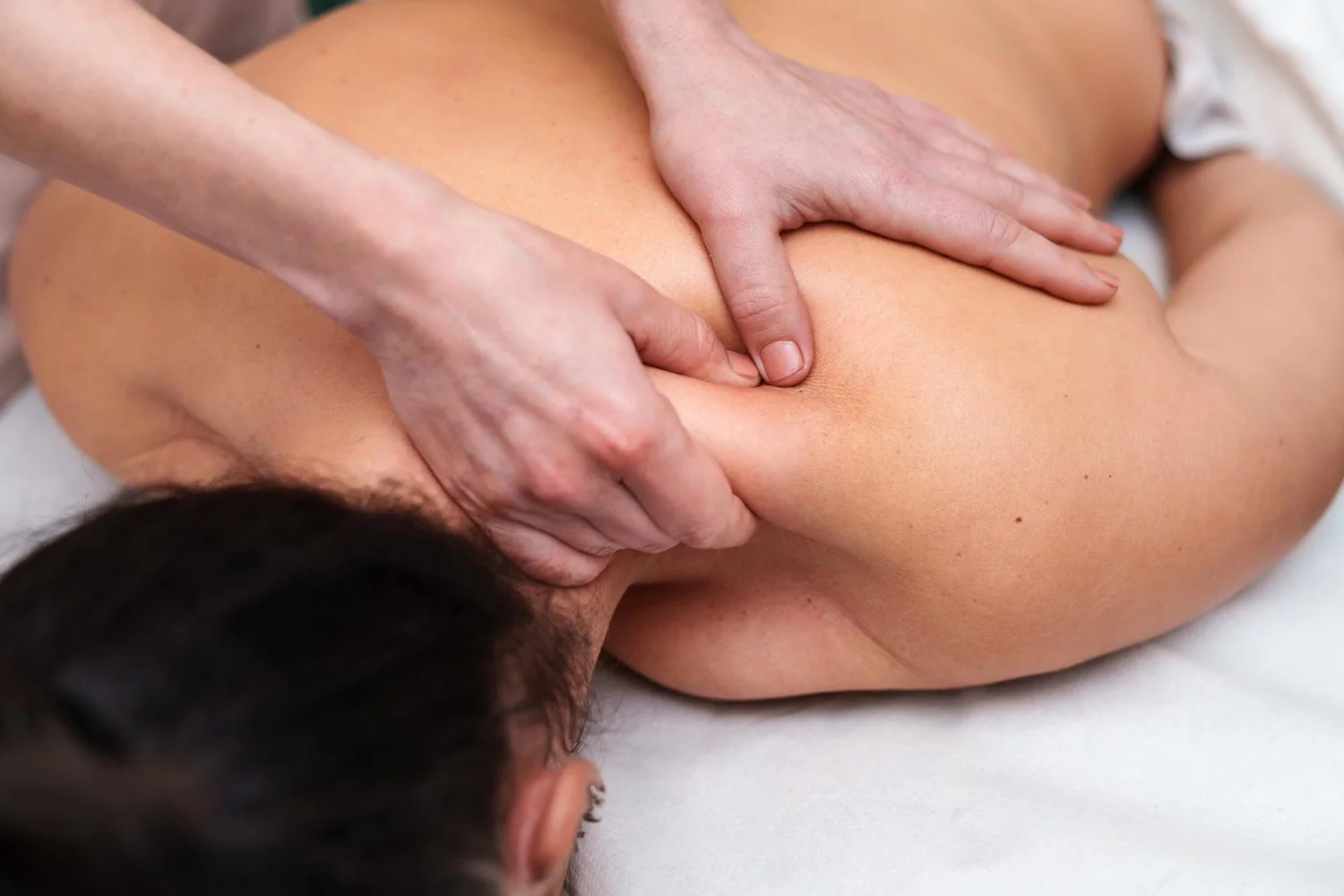
Muscle tension after work, soreness after exercise, or stiffness after injury can make movement uncomfortable. Many people associate remedial massage solely with relaxation. Still, it can also be used as a therapeutic approach to managing muscular tension, discomfort, or movement problems. Different massage treatments have different purposes, so the approach may vary depending on the type of problem you have. This article explains what remedial massage is, what problems it can help with, and why it may be considered when managing muscular problems.
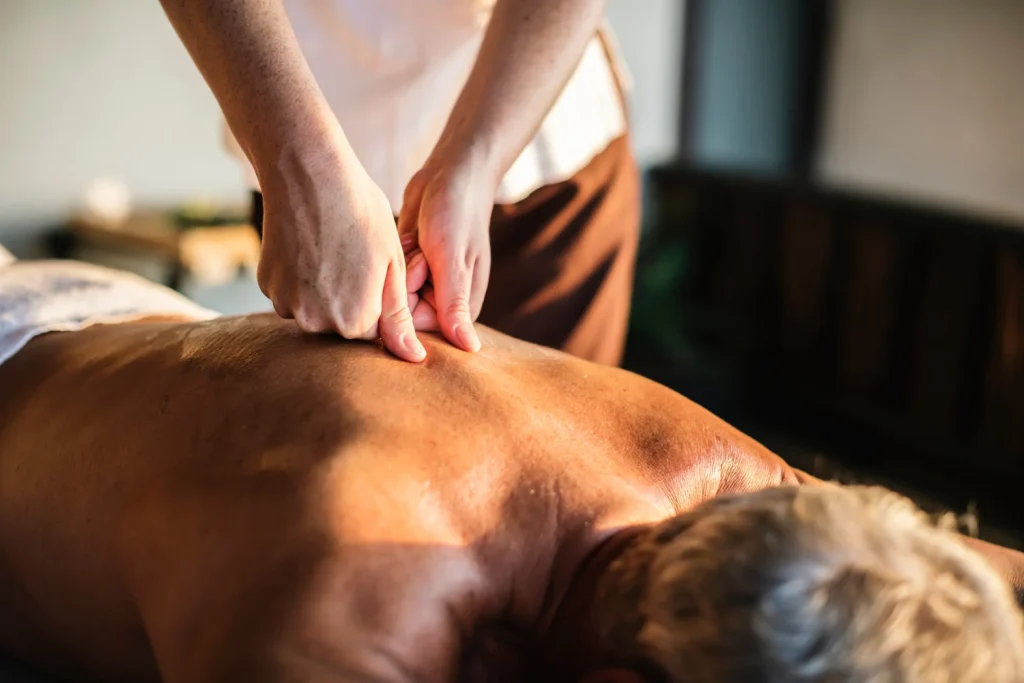
What Is Remedial Massage?
Remedial massage is a therapeutic massage treatment that helps manage muscular pain, tension, or discomfort. It can work on muscles, tendons, ligaments, and other soft tissues, using targeted pressure or manual techniques. Compared with a general relaxation massage, it focuses on a specific problem, affected area, or functional goal.
What Are the Benefits of Remedial Massage?
The potential benefits of remedial massage may depend on your symptoms, condition, and treatment approach. It is usually used as part of a broader treatment plan to manage specific muscular problems.
Benefit #1: Pain Relief and Reducing Muscle Tension
Remedial massage can help manage the tension and discomfort of tight or overworked muscles. Targeted manual techniques can work on the affected area to reduce pain and support more comfortable movement.
Benefit #2: Improved Mobility and Flexibility
Muscle tightness or soft tissue restriction can limit movement. Remedial massage can support mobility of affected tissues and, when used with stretching or exercise, can help restore comfortable functional movement.
Benefit #3: Support After Injury
After an injury, stiffness, muscle tension, or soft tissue discomfort may occur. Appropriate remedial massage can help manage these symptoms during recovery. If scar tissue or adhesions are present, the therapist may use targeted techniques based on the assessment.
Benefit #4: Reduced Muscle Tension and Physical Relaxation
Long hours at work, regular exercise, or physical strain can leave your muscles feeling tight and tired. Remedial massage can help loosen tense muscles, reduce discomfort, and help your body feel more relaxed.
Benefit #5: Improved Blood Flow and Tissue Support
Massage treatment can temporarily increase local blood flow to the affected area and support soft tissue recovery. However, consider appropriate clinical evidence before making stronger claims about specific physiological benefits, such as improved circulation.
How Does Remedial Massage Work?
During remedial massage, a therapist can use different manual techniques based on your condition, affected tissue, and treatment goal. These may include deep strokes, compression, kneading, soft tissue manipulation, trigger point work, and myofascial techniques. Not every technique is used the same for everyone. The therapist can adjust pressure, technique, and treatment area based on your symptoms, tissue tolerance, and treatment goals, so the treatment more closely matches your specific needs.

When Is Remedial Massage Used?
Remedial massage can be used to:
- After Injury: To manage muscle tension, stiffness or discomfort during recovery.
- Muscles feel tight: To relax tight muscles and make movement more comfortable.
- After strenuous exercise: To manage muscle tension and soreness after exercise or training.
- If there is soft tissue restriction: As part of treatment for reduced mobility due to restricted tissue movement.
- In case of muscular pain or discomfort: To manage specific muscle-related symptoms.
- As part of a wider rehabilitation plan: Can be used with exercise, stretching or other physiotherapy treatments.
Who Can Benefit from Remedial Massage?
Remedial massage may be suitable for:
- Active adults: To manage muscle tension caused by exercise or physical activity.
- Office workers: In cases of muscular tension or stiffness caused by sitting for long periods of time.
- People with muscular tension: To manage the discomfort of tight or overworked muscles.
- People recovering from soft tissue injury: Get support to reduce stiffness or discomfort at the appropriate recovery stage.
- People with movement restrictions: As part of treatment if soft tissue tightness prevents movement.
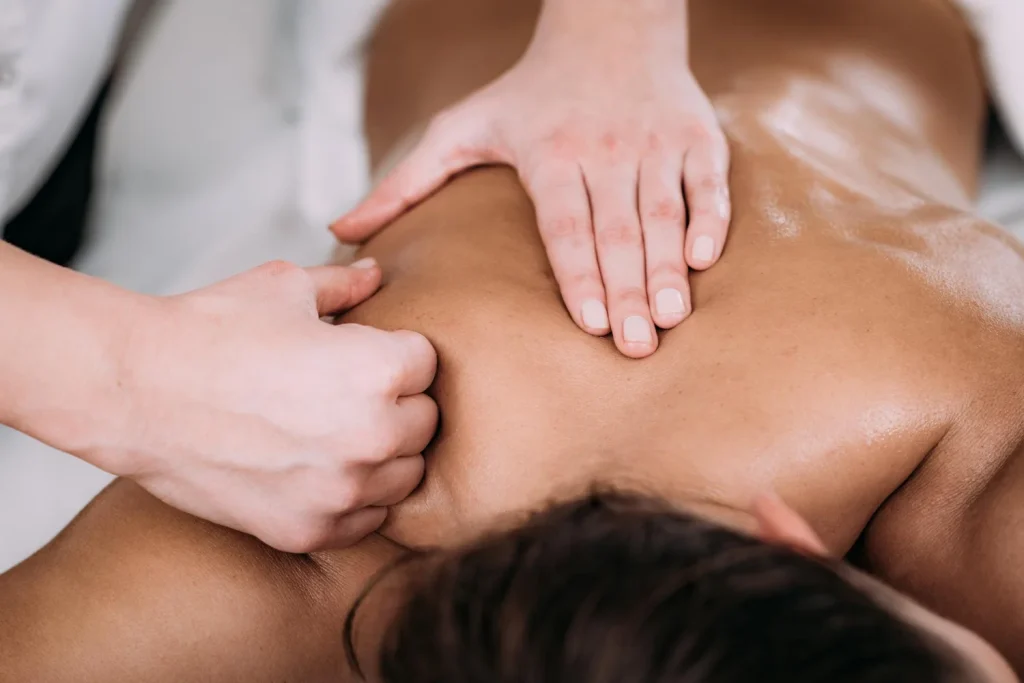
Is Remedial Massage the Same as Deep Tissue or Sports Massage?
Remedial massage may include some techniques used in deep tissue or sports massage, but it is not the same type of treatment. Remedial massage is usually tailored to the specific problem, assessment findings, and treatment goals. Deep tissue massage can focus on deeper muscle tension. In contrast, sports massage can vary depending on activity or sport-related needs.
If muscle tension, pain, stiffness, or injury-related discomfort affects movement or daily activities, we can assess your needs and determine whether remedial massage fits your treatment plan.
FAQ
What is Remedial Massage?
Remedial massage is a targeted therapeutic massage treatment.
What does Remedial Massage help with?
It can help manage muscle tension, stiffness, pain, and restricted movement.
Is Remedial Massage painful?
Some pressure may feel intense or uncomfortable, but sharing feedback with the therapist can help adjust the treatment.
Who can have Remedial Massage?
Active adults, office workers, and people with appropriate soft tissue problems may consider it.
How often should I have Remedial Massage?
Frequency may vary depending on your symptoms, treatment goals, response, and overall treatment plan. Hence, a fixed schedule isn’t suitable for everyone.
