
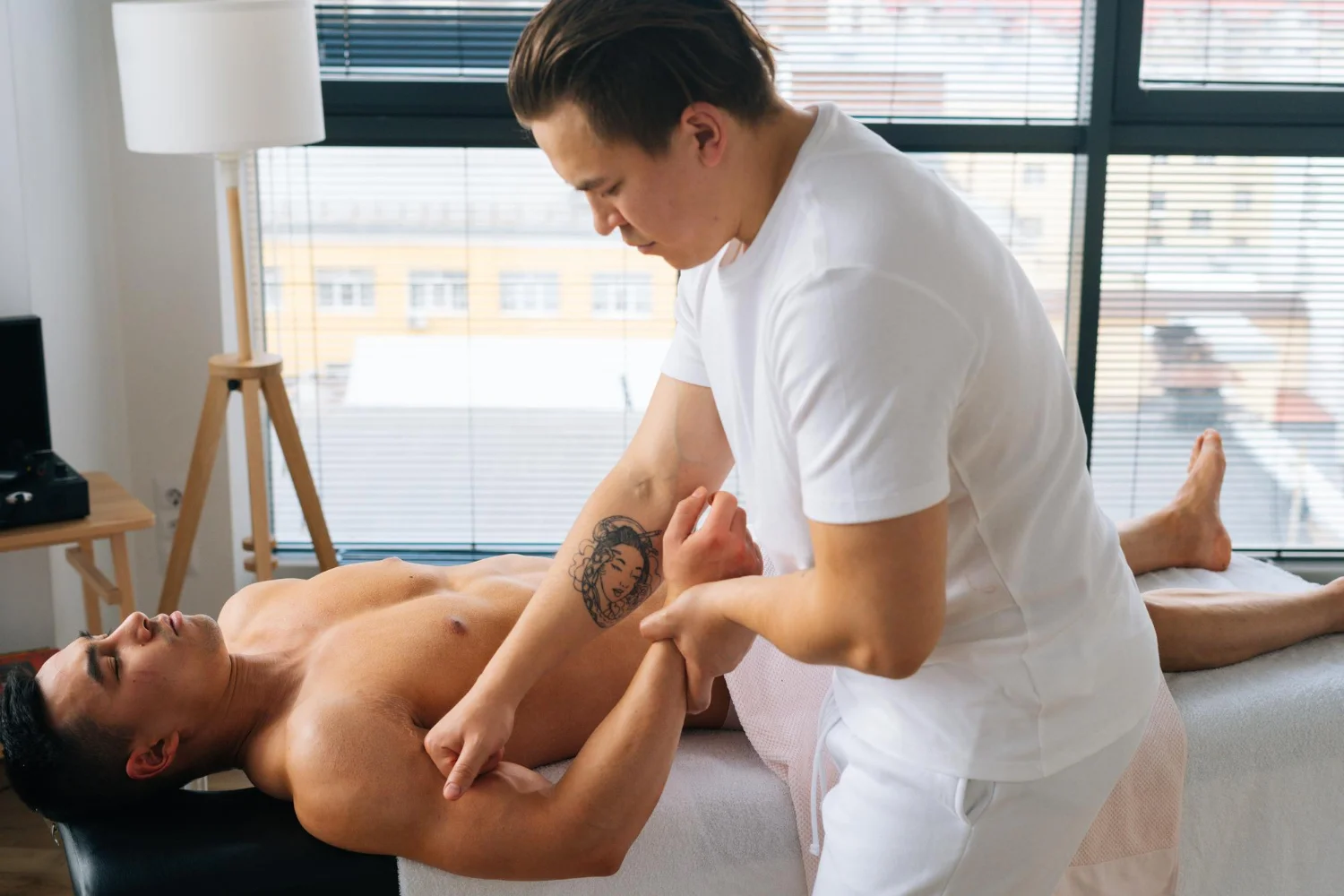
Many people are familiar with feeling muscle tension, stiffness, or discomfort after exercise or sports. In those moments, many people wonder: What exactly is sports massage, and is it only for athletes? Sports massage is a type of massage therapy that works on the muscles and soft tissues used most during physical activity. It’s not just for professional athletes; people who regularly go to the gym, run, cycle, or participate in recreational sports can also get a sports massage. In this article, you will learn what sports massage is, its benefits, what techniques are used, when it can be beneficial, and what to expect during a session.
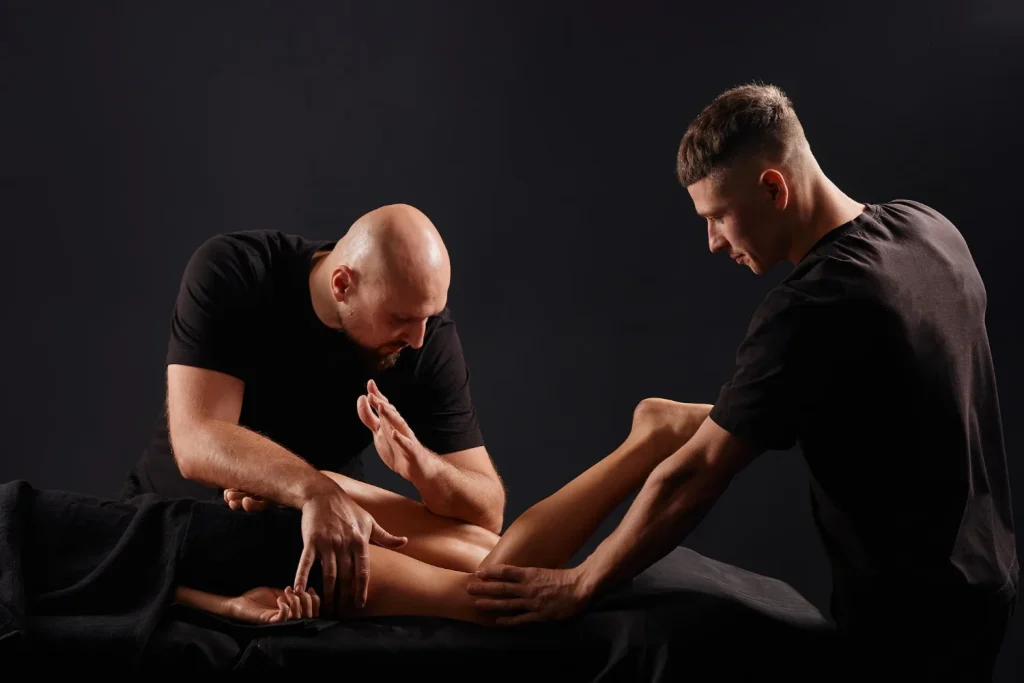
What Is a Sports Massage?
Sports massage is a type of massage therapy that works on the muscles and soft tissues used most during physical activity. Its main purpose is to reduce muscle tension, stiffness, and activity-related discomfort, and to provide targeted treatment based on the body’s needs.
This can be relevant to running, gym work, cycling, football, or any other regular physical activity. Sports massage is more targeted than a general relaxation massage, as the therapist works on specific muscle groups based on your activity, affected muscles, and specific concerns.
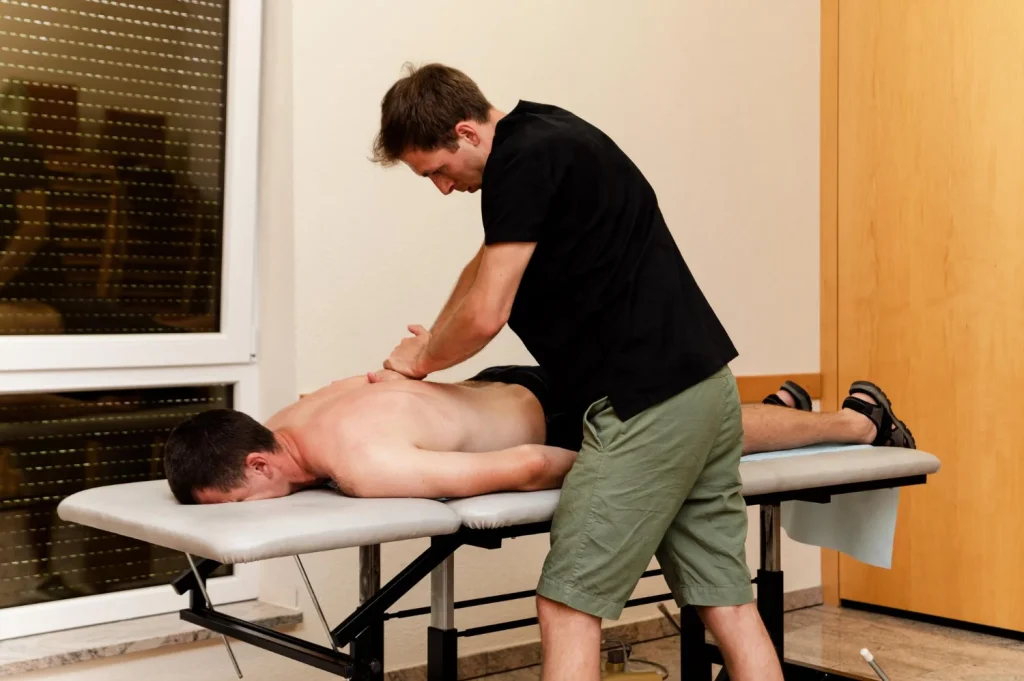
Who Can Benefit From Sports Massage?
Sports massage isn’t just for professional athletes. It can benefit many people who engage in regular physical activity or who put a lot of stress on specific muscle groups.
Athletes
Both professional and recreational athletes can benefit from sports massage. It can provide targeted attention to muscles that are overused during training, competition, or recovery.
Runners
Running repeatedly works the muscles of the legs, hips, and lower body. If muscle tightness develops from regular running, sports massage can provide targeted treatment for these areas.
Gym-Goers
After strength training or intense workouts, some muscle groups may feel tight or stiff. Sports massage works on these muscles and can be part of a recovery routine.
Football Players
Football involves movements such as running, sprinting, changing direction, and kicking. As a result, the legs, hips, and other active muscle groups are constantly under physical demand.
Cyclists
Cycling involves repeating the same movements over and over again. This works the muscles of the legs, hips, and lower back for long periods, which can lead to tightness in some areas.
Active Adults
Those who regularly walk, run, go to the gym, or do recreational sports can also benefit from sports massage. It can provide targeted treatment according to their activity level and individual muscle needs.
General Public
You don’t have to be an athlete to get a sports massage. Despite the “sports” in the name, it can benefit anyone who regularly engages in physical activity or experiences tension and stiffness in certain muscles.
How Is Sports Massage Different From Other Types of Massage?
The main purpose of sports massage is to target muscle tension, stiffness, and specific muscle needs related to physical activity. It doesn’t focus on relaxing the whole body like a standard relaxation massage.
Relaxation or Swedish massage is generally used for relaxation, stress relief, and overall comfort. On the other hand, deep tissue massage focuses on deeper layers of muscle and connective tissue and usually uses firmer pressure. The approach to sports massage can vary depending on the individual’s activity, affected muscles, and treatment goals.
Comparison
| Factor | Sports Massage | Swedish / Relaxation Massage | Deep Tissue Massage |
| Main purpose | Addressing physical activity-related muscle needs | Relaxation and overall well-being support | Working on deeper muscle tension and tightness |
| Main focus | Activity-specific muscles and soft tissues | General relaxation of the whole body | Deeper muscle layers and connective tissue |
| Pressure | Light to firm, as needed | Usually light to moderate | Usually firm or deeper pressure |
| Best suited for | Athletes and people who do regular physical activity | If you want relaxation and stress relief | In case of deeper muscle tension or persistent tightness |
What Techniques Are Used in Sports Massage?
Multiple techniques can be used in sports massage. The therapist can choose the most appropriate technique based on your activity, muscle condition, and treatment goals.
Deep Tissue / Soft Tissue Work
In this technique, the therapist uses the hands or forearms to apply controlled pressure to the muscles and soft tissues. It provides targeted treatment for muscle tightness, stiffness, and areas of tension.
Trigger Point Therapy
A trigger point is a sensitive or tight area of a muscle that, when pressed, can cause local discomfort. The therapist can target these specific areas to reduce muscle tension and ease movement.
Myofascial Release
Fascia is a layer of connective tissue that surrounds muscles and other structures in the body. In myofascial release, the therapist uses gentle, sustained pressure to work on areas of restriction or tightness.
Stretching / Active Movement
During treatment, the therapist may use gentle stretching or active movement as needed. It can support flexibility and range of motion and help assess how muscles work during specific movements.
Compression and Friction Techniques
The therapist may use controlled compression or friction techniques on specific muscle areas. These can help provide targeted work on local muscle tension and soft tissue areas as part of treatment.
What Are the Benefits of Sports Massage?
The benefits of sports massage may vary depending on the individual, activity level, and treatment goals. It is commonly used to address issues such as muscle tightness, recovery, and mobility related to exercise or physical activity.
Recovery
Sports massage after exercise or training can help reduce muscle tightness and discomfort. It can be used as part of a recovery routine, especially when certain muscle groups are regularly overworked.
Reducing Muscle Tension
Regular physical activity can cause some muscles to become tight or tense. Sports massage can help reduce muscle tension and make movement more comfortable by applying targeted pressure to these areas.
DOMS
DOMS, or Delayed Onset Muscle Soreness, is muscle soreness that develops after new or more intense exercise, which usually begins a few hours after exercise and may be felt more in the next few days.
Sports massage can help reduce soreness and perceived muscle discomfort during DOMS. However, it is not guaranteed to prevent or speed up the healing of DOMS completely.
Flexibility and Range of Motion
Some movements may become easier as muscle tightness decreases. Sports massage can therefore support flexibility and range of motion, especially when tight muscles are limiting movement.
Physical Activity and Performance
Sports massage can help prepare the body for training and physical activity and address muscle tightness or movement restrictions. However, it should not be claimed that it definitely enhances athletic performance.
Relaxation
While sports massage is a targeted treatment, it can also promote relaxation. When massage reduces muscle tension, the body can feel more relaxed and comfortable.
What Does the Research Say About Sports Massage?
Research suggests that sports massage may help with muscle soreness and flexibility after exercise. However, evidence for improving sports performance remains limited.
Recovery and DOMS
Research suggests that massage may reduce soreness after strenuous exercise, including DOMS. However, the level of benefit can vary between individuals and studies.
Flexibility and Range of Motion
Studies suggest that massage may provide a small improvement in flexibility and range of motion. It can support mobility, but it should not replace appropriate exercise or rehabilitation.
Sports Performance
Current research does not show clear evidence that sports massage directly improves strength, speed, endurance, or other measures of sports performance.
Limitations of the Evidence
Research uses different massage techniques, treatment times, and participants, which makes results difficult to compare. More research is needed to understand which approaches work best for different people and activities.
When Should You Have a Sports Massage?
The right time to get a sports massage depends on your activity, muscle condition, and treatment goals. You can get one before an event, after an event, or during regular training.
Before an Event
A sports massage before an event can help prepare your body for activity. During this time, the therapist usually uses gentle, targeted techniques on your most used muscles.
After an Event
Sports massage can be part of a recovery routine after an event or intense exercise. It can help reduce muscle tightness, stiffness, or soreness that occurs after exercise.
During Training
Sports massage can also be done during regular training. The therapist can provide targeted treatment to the muscles you use most frequently.
When You Have Muscle Tightness
Sports massage can be relevant if a muscle feels tight or stiff after exercise or repeated activity. The therapist can choose the appropriate technique based on your symptoms and activity.
What Happens During a Sports Massage Session?
A sports massage session usually begins with an assessment of your activity, symptoms, and treatment goals. The therapist then assesses the need and provides treatment using suitable techniques.
Step 1: Consultation
First, the therapist may ask about your activity, exercise routine, and whether you have any muscle pain, tightness, or stiffness. You may also discuss your treatment goals.
Step 2: Assessment
The therapist can then assess your movement and affected muscles. They will look for any movement restrictions or muscle tightness related to your activity.
Step 3: Treatment
Based on the assessment results, the therapist will determine a treatment plan. They will work on specific muscles and soft tissues using different massage techniques according to your needs.
Step 4: Reassessment
After the treatment, the therapist may check your movement or treated area again to see if there have been any changes since the treatment.
Step 5: Advice
If needed, the therapist can advise you on stretching, exercise, or recovery. They can also advise on next steps based on your activity and treatment goals.
Does Sports Massage Hurt?
The pressure in a sports massage can range from light to firm. The therapist will adjust the pressure based on your muscles, symptoms, and treatment needs. You may feel some discomfort or pressure during the treatment, especially when working on tight muscles. However, it is not normal to experience severe or unbearable pain.
You can talk to your therapist about the pressure during treatment. If the pressure is too high, the therapist can reduce it or change the technique.
What Should You Wear to a Sports Massage?
For sports massage, wear clothing that is comfortable and allows for easy movement. Loose-fitting or comfortable sportswear is usually a good option. During the treatment, the therapist will only have access to the area they are working on. Appropriate draping will be used to maintain your privacy.
How Often Should You Have a Sports Massage?
Not everyone needs the same frequency for sports massage. Frequency depends on training load, activity, goals, symptoms, and response to treatment. Treatment needs may vary depending on your training type or specific muscle tightness. Your therapist can assess your needs and recommend an appropriate session frequency.
What Should You Do After a Sports Massage?
After a sports massage, give your body some time to recover and do activities as advised by your therapist. If you exercise, gradually increase your activity level after treatment. Before doing very intense exercise, check how your body feels. Drink plenty of water and rest if necessary. However, if the pain is severe, lasts a long time, or if any new concerning symptoms appear, talk to a therapist or other suitable health professional.
Common Myths About Sports Massage
“Sports Massage Is Only for Athletes”
No. Sports massage is not just for professional athletes. People who exercise regularly, run, go to the gym, or play recreational sports can also get it.
“Sports Massage Should Always Hurt”
No. There may be some pressure or mild discomfort, but there should be no severe pain during the treatment. If you experience excessive discomfort, tell the therapist.
“More Pressure Means Better Results”
No. More pressure does not mean better results. The therapist will use appropriate pressure based on your muscles, symptoms, and treatment goals.
“Sports Massage Prevents Every Injury”
No. Sports massage cannot prevent all types of injuries.
“Sports Massage Can Replace Physiotherapy”
No. Sports massage and physiotherapy are not the same. Sports massage can help with muscle tightness or exercise recovery, but if you have persistent pain, injury, weakness, or recurring problems, a physiotherapy assessment may be more appropriate.
If you need help with muscle tightness, exercise-related discomfort, or recovery in Birmingham, you can learn about our sports massage service and book an appointment to suit your needs.👇
FAQ
What is a sports massage?
Sports massage targets muscles used during physical activity.
Who is sports massage suitable for?
It suits athletes and anyone who regularly exercises or takes part in physical activity.
Does sports massage hurt?
It may feel uncomfortable, but it should not cause severe pain.
Can sports massage help with DOMS?
It may help reduce DOMS-related muscle soreness.
How often should you have a sports massage?
Frequency depends on your activity, goals, symptoms, and individual response.
What is the difference between sports massage and physiotherapy?
Sports massage focuses on muscles; physiotherapy assesses and treats wider physical problems.
