
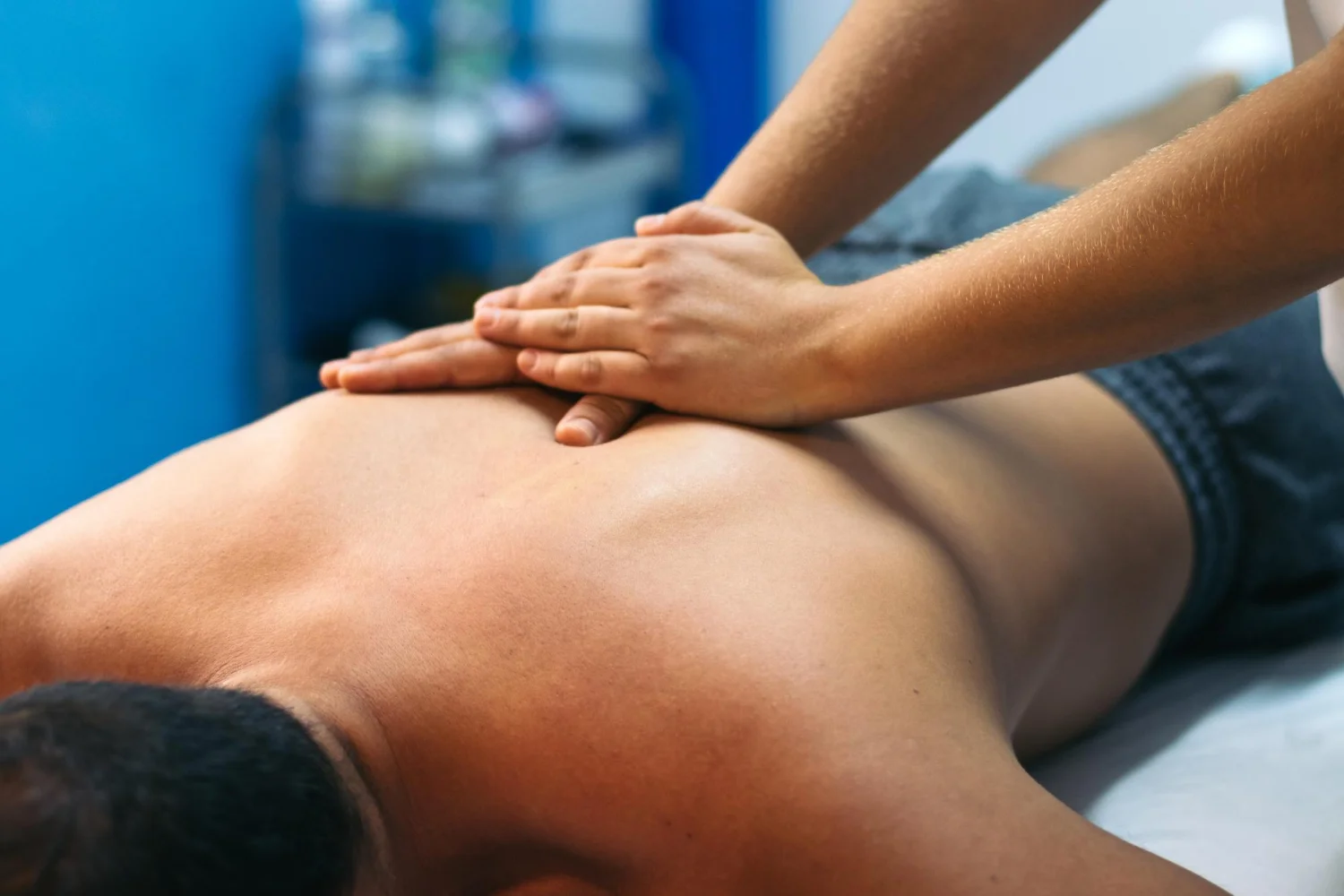
Mild pain, tightness, or stiffness in the muscles can sometimes make movement uncomfortable, especially after injury, prolonged sitting, exercise, or physical strain. Physiotherapy massage is a hands-on treatment approach used to reduce muscle tension, manage pain, improve movement, or support recovery. It does not follow a fixed massage routine. Instead, a physiotherapist selects appropriate techniques based on your symptoms, movement, affected tissues, and treatment goals. This guide will explain what physiotherapy massage is, how it is used in physiotherapy, what techniques it may include, what problems it can help with, and what to expect during a massage session.
What Is Physiotherapy Massage?
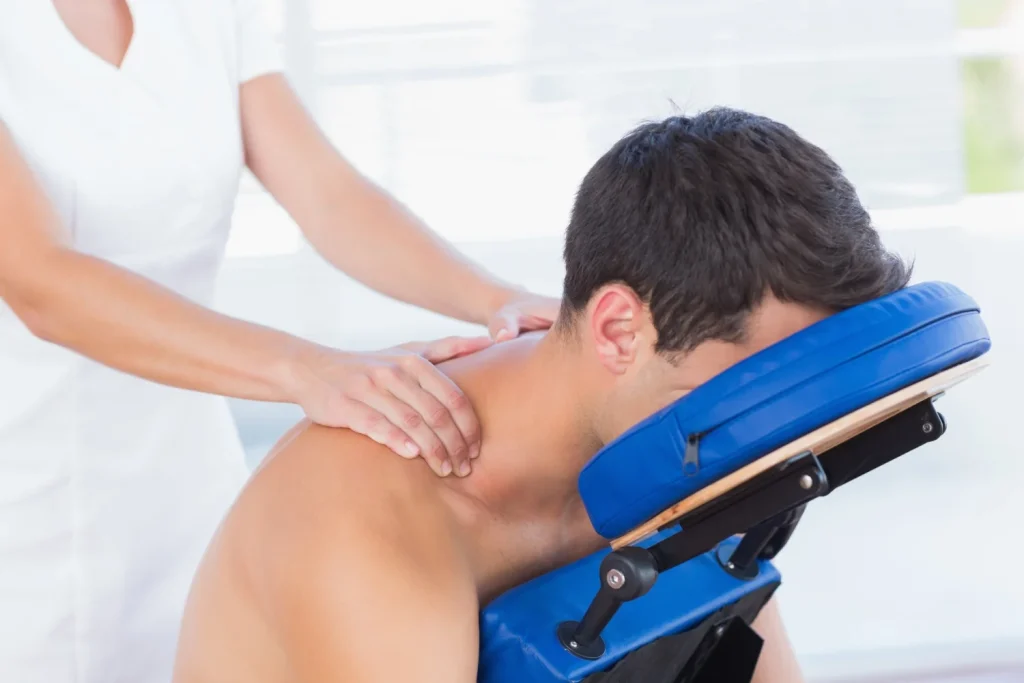
Physiotherapy massage is a hands-on treatment approach used by physiotherapists, which works with muscles, tendons, ligaments, fascia, and other soft tissues. Instead of following a fixed massage routine, the physiotherapist can select treatment based on your symptoms, physical assessment, movement limitations, and recovery goals. Massage can help reduce muscle tension, improve tissue mobility, manage pain, and ease movement. It may be combined with exercise, stretching, or other physiotherapy techniques as needed. Treatment may also focus on a specific painful or restricted area rather than the entire body.
How Is Massage Used in Physiotherapy?
Massage can be used at different stages of physiotherapy, but the approach depends on the condition and treatment goal. If muscles are tight, overloaded, or painful, massage can help reduce tension and make movement more comfortable. After an injury, the surrounding muscles may become stiff or restricted. Appropriate massage techniques can support rehabilitation by restoring soft tissue mobility and comfortable movement. You may use massage before exercise-based treatment if muscle tension or discomfort makes movement difficult.
What Massage Techniques Can Be Used in Physiotherapy?
Massage techniques in physiotherapy may vary depending on your symptoms, affected tissues, and treatment goals. After an assessment, the physiotherapist can select the appropriate technique and combine multiple approaches as needed.
Gentle Soft Tissue Massage
Gentle soft tissue massage uses light, controlled pressure. It may be part of the treatment if you have muscle tightness, mild discomfort, or stiffness. Its goal is to relax the surrounding soft tissues and provide support to make movement more comfortable.
Deep Tissue Massage
Deep tissue massage uses firm, deep pressure to address deeper muscle or soft tissue tension. A physiotherapist can determine whether this is appropriate by looking at your symptoms, assessment findings, and tissue tolerance.
Kneading and Soft Tissue Manipulation
Kneading and soft tissue manipulation use rhythmic pressure, compression, or kneading movements on the muscles. For tight muscles, they can support tissue mobility and local circulation. The therapist modifies pressure and technique for each individual as needed.
Friction Techniques
Friction techniques use targeted pressure and movement on specific soft tissue areas. In some cases of injury or recovery, the therapist may work with scar tissue or restricted soft tissue if the technique is appropriate based on assessment.
Myofascial or Trigger Point Techniques
Myofascial or trigger point techniques may use manual pressure on specific areas of restricted or tender tissue. These aim to manage tissue restriction, provide support to reduce pain, and help make movement more comfortable.
Stretching Combined With Massage
You can combine assisted stretching with massage when tightness limits movement. This combination can help improve mobility and movement quality. However, the type and intensity of stretching should be determined based on your symptoms and assessment.

What Can Physiotherapy Massage Help With?
Consider physiotherapy massage when muscle or soft tissue problems contribute to pain, stiffness, or restricted movement. It can be part of a treatment plan for a variety of problems:
- Muscle tension and tightness: Can help relax tight muscles and restore comfortable movement.
- Pain and stiffness after injury: Can support the management of muscle tension and stiffness following injury.
- Reduced mobility: It can help improve range of motion if soft tissue is restricting movement.
- Postural or desk-related muscle strain: It can help manage muscle strain caused by poor posture or long periods of desk work.
- Exercise or training-related muscle overload: It can help manage tension and discomfort from overloaded muscles after exercise or training.
- Scar tissue and restricted soft tissue movement: Appropriate techniques can help if scar tissue limits soft tissue movement.
What Happens During a Physiotherapy Massage Session?
Step 1: Initial Discussion
First, the physiotherapist will learn about your pain, symptoms, injury history, activity, and daily demands.
Step 2: Physical Assessment
The physiotherapist will then assess movement, muscle function, flexibility, strength, and the affected area.
Step 3: Treatment Selection
Based on the assessment findings, the physiotherapist can choose the right approach, from gentle massage to deeper soft tissue work or targeted techniques.
Step 4: Massage Treatment
The therapist can work on specific muscles or soft tissues using appropriate pressure according to your condition and tolerance.
Step 5: Reassessment
The therapist may reassess movement or symptoms after treatment to understand your response.
Step 6: Wider Treatment Plan
If necessary, massage may be combined with exercises, stretching, rehabilitation advice, or other physiotherapy treatments.
Is Physiotherapy Massage Enough on Its Own?
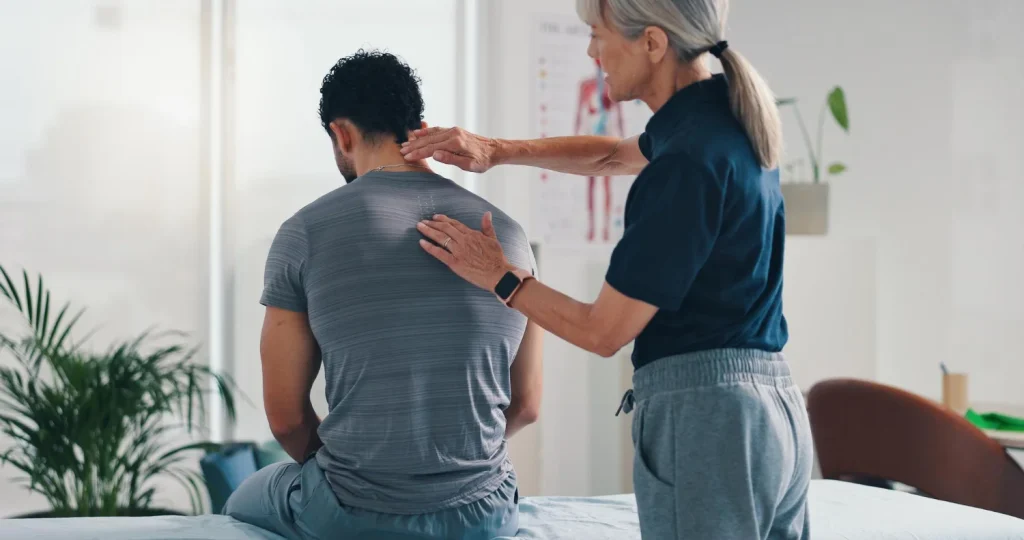
Massage can provide short-term support for pain, muscle tension, or restricted movement, but it may not address all underlying causes. Ongoing symptoms may stem from weakness, poor posture, movement habits, reduced mobility, training load, or an underlying injury. Therefore, the physiotherapist can combine massage with specific exercises, mobility work, strengthening, education, or rehabilitation as needed. The goal is not just to temporarily tighten muscles, but to improve movement and function and support management of contributing factors.
Who Can Benefit From Physiotherapy Massage?
Physiotherapy massage isn’t just for athletes or sportspeople. It can be part of a treatment plan for many people when muscle tension, stiffness, or restricted movement causes problems.
- Office workers: To manage muscle tension caused by poor posture or sitting for long periods of time.
- Active adults: In case of muscle tightness or discomfort after exercise.
- Runners and gym-goers: To manage training-related muscle tension or overload.
- People recovering from injury: To provide support to reduce stiffness or restricted movement after injury.
- People with ongoing muscle tension: If muscle tension affects daily activities or comfortable movement.
How Often Should You Have Physiotherapy Massage?
There is no fixed schedule for physiotherapy massage. Frequency depends on your condition, symptoms, activity level, response to treatment, and rehabilitation goals. Some people may need short-term treatment, while others may need occasional or ongoing sessions as part of a wider physiotherapy programme.
Book a Physiotherapy Massage Assessment
If muscle tension, stiffness, pain, or restricted movement affects your daily activities, exercise, or recovery, a physiotherapy assessment can help you understand the right treatment approach.
You can assess your symptoms and consider whether physiotherapy massage is a suitable part of your treatment plan. Care in the Shirley area can be tailored to your condition and treatment goals.
FAQ
Is physiotherapy massage the same as a normal massage?
No. It depends on your symptoms, assessment findings, and treatment goals.
Can physiotherapy massage help tight muscles?
Yes, appropriate techniques can help reduce muscle tension and make movement more comfortable.
Does physiotherapy massage hurt?
Some pressure may feel intense, but the treatment should match your comfort and tissue tolerance.
Can massage be used after an injury?
Massage may be used at some stages of recovery, but it depends on the injury, healing stage, and the physiotherapist’s assessment.
Can massage replace physiotherapy exercises?
Not usually. Massage can support recovery, while exercise can build strength, mobility, and function.
Do I need an assessment before physiotherapy massage?
The assessment helps the physiotherapist determine whether massage is appropriate and which techniques best match your needs.
